A Practical Guide to Cleaning Coastal Salt Off Your Roof
Living on the Sunshine Coast means enjoying sea breezes, but those breezes also carry salt onto your roof. Salt deposits attract moisture and can accelerate corrosion on metal roofing, flashings, gutters and fasteners. Regular inspections and careful freshwater washing help protect vulnerable areas without damaging roof finishes.
Where Coastal Salt Builds Up
Exposure varies with distance from the ocean, prevailing winds and surrounding buildings. Homes near surf beaches often receive more salt spray, but properties further inland can also collect airborne salt.
Rain washes some exposed roof surfaces, but it does not reliably clean sheltered areas. Pay particular attention to surfaces beneath eaves, covered gutters, roof overlaps and other places that receive little direct rainfall. White residue, rust staining, peeling coatings and corroded screws warrant closer inspection, although not every white deposit is salt.
Check Your Roof Before Cleaning
Start with the roofing manufacturer’s maintenance instructions. Suitable cleaning methods and wash intervals differ between coated steel, aluminium, concrete tiles and terracotta tiles. Manufacturer guidance also matters for warranty requirements.
Inspect from the ground using binoculars or arrange a professional assessment. Look for loose sheets, cracked tiles, damaged flashings and blocked gutters. Cleaning cannot repair corrosion or leaks, and damaged roofing may need attention before washing begins.
If an older roof may contain asbestos cement, do not scrub, pressure-clean or otherwise disturb it. Arrange assessment by a suitably qualified asbestos professional.
A Safe Approach to Removing Salt
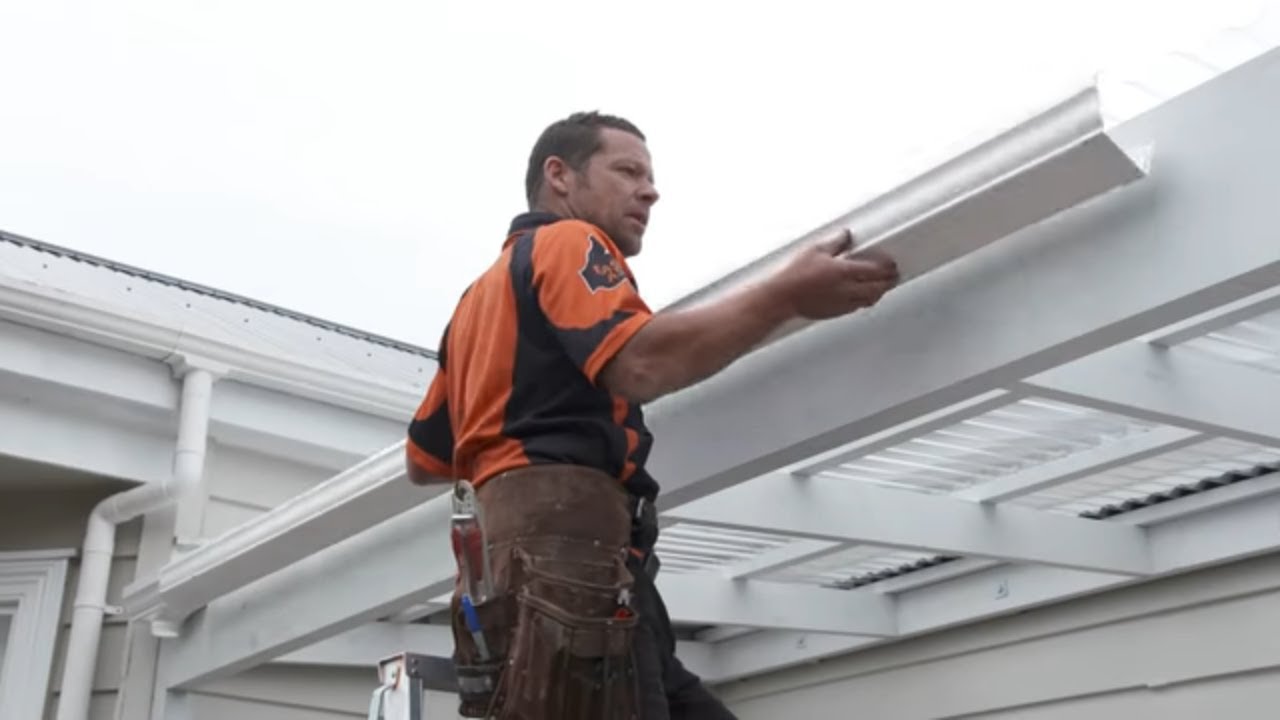
Do not climb onto a roof simply to wash it. Wet roofing is slippery, and fragile sheets, skylights and roof edges create serious fall hazards. Leave work requiring roof access to trained contractors using appropriate access equipment and fall protection.

- Choose suitable conditions. Avoid strong winds, storms and hot roof surfaces. Follow any current local water restrictions.
- Manage runoff first. If roof water feeds a rainwater tank, isolate or divert collection according to the system’s instructions before cleaning. Keep contaminated wash water out of stormwater drains.
- Use fresh water at low pressure. Salt is water-soluble, so a gentle rinse is often sufficient. Direct water down the roof’s natural drainage path, never upward beneath tiles, sheet overlaps or flashings.
- Use cleaners only when needed. For dirt that does not rinse away, follow the roof manufacturer’s directions for an approved mild cleaning product and soft cleaning tools. Rinse thoroughly.
- Check drainage afterwards. Have gutters and downpipes checked for debris, standing water and corrosion. Restore tank collection only when cleaning residues have cleared and the system’s guidance allows it.
Avoid Cleaning Methods That Cause Damage
High-pressure washing can damage coatings, erode some tile surfaces and force water into the roof space. Wire brushes, abrasive pads and aggressive chemicals can also harm protective finishes. Do not use acidic cleaners, bleach mixtures or solvents unless the roofing manufacturer expressly approves the product and method.
Solar panels need separate care. Avoid directing water at electrical components or disturbing cables, and follow the panel manufacturer’s cleaning instructions. Use a suitably qualified provider where electrical equipment or difficult access is involved.
How Often Should Sunshine Coast Roofs Be Washed?
There is no single schedule for every coastal property. Base cleaning frequency on the roof material, manufacturer requirements, salt exposure and how effectively rainfall reaches each surface. Sheltered metal surfaces may need more frequent washing than exposed roof slopes.
As a practical starting point, review your roof’s condition and maintenance guidance every six months, with additional checks after https://troybxap631.zenbloomer.com/posts/best-roofing-materials-for-sunshine-coast-beach-houses significant salt-laden winds. This is an inspection prompt, not a universal washing interval.
Choosing a Local Roof Cleaning Service
Ask Sunshine Coast roof cleaning providers how they identify roofing materials, control water pressure, protect rainwater tanks and manage runoff. Confirm they carry appropriate insurance and use suitable fall-protection measures. A reliable provider should also flag corrosion or damaged roofing that needs repair rather than treating cleaning as a cure.
Consistent, gentle maintenance is the goal: remove salt without stripping away the finishes that protect your roof.
Sunshine Coast Roof Restoration & Repair
Unit 8/13 Newspaper Pl, Maroochydore QLD 4558
(07) 4145 4576